
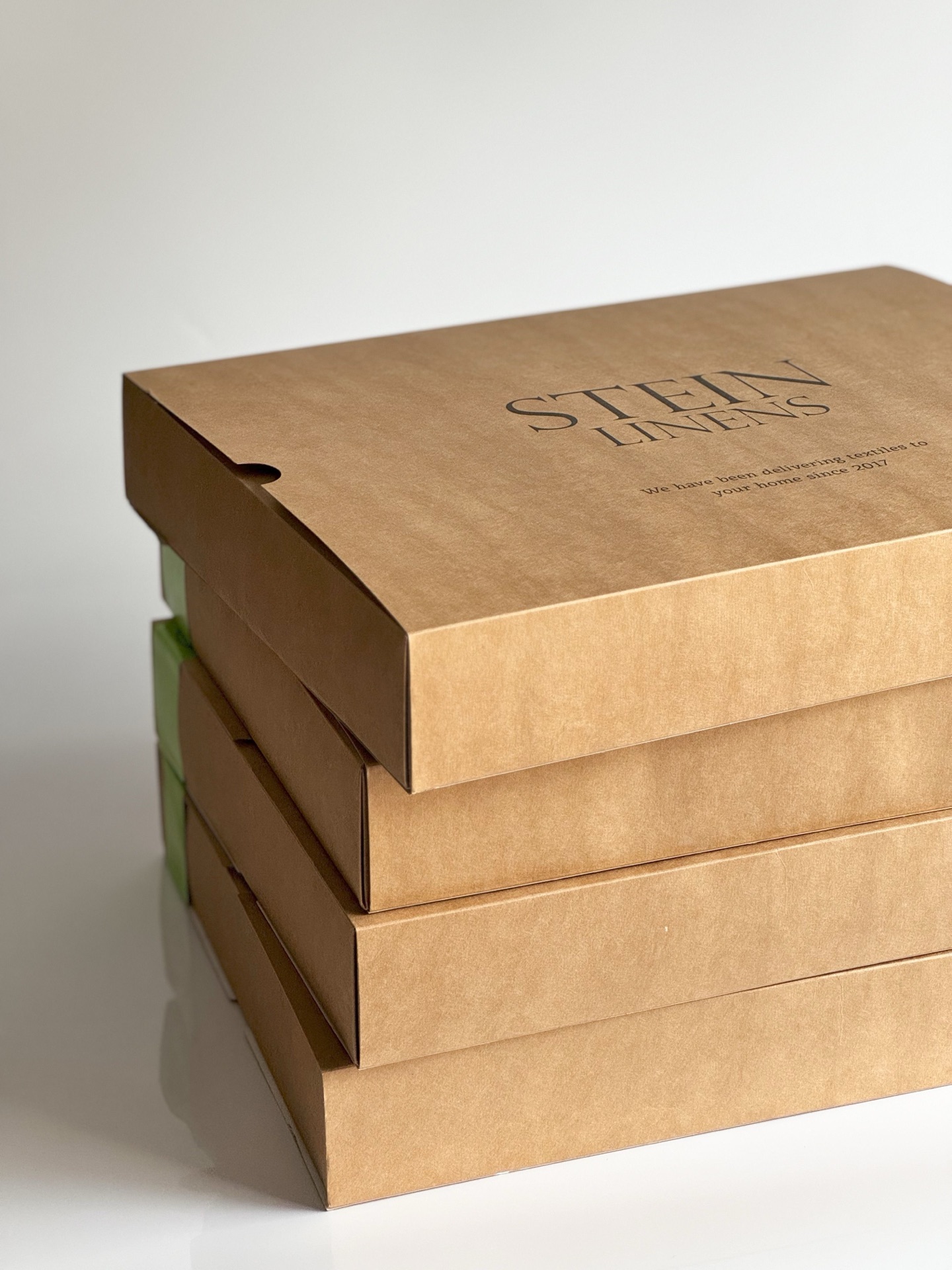
Consumers today care about more than just price and speed — they want to know "how was this product made, how did it get here?" Sustainability has stopped being a luxury reserved for big brands and has become a genuine differentiator for mid-sized e-commerce businesses too. In this article we cover concrete, actionable steps spanning packaging, carbon transparency, supply chains, and even marketing language.
Why consumers are asking now
The conscious-consumer segment keeps growing; younger generations in particular now treat environmental impact as a purchase criterion nearly as important as price. But this interest is not just a marketing opportunity — it's also a risk area: as consumers become more aware, they also get faster at spotting empty promises and hollow "green badges".
There's a practical upside too: most eco-friendly moves, from packaging optimization to reducing returns and running efficient logistics, also cut costs. Sustainability here isn't a sacrifice — when designed well, it aligns directly with operational efficiency.
Rethink your packaging from the ground up
Packaging is the most tangible touchpoint a customer has with your brand, and it's often the easiest area to improve. It helps to tackle it in this order:
- Optimize box size for the product — plastic air pillows used to fill empty space mean both extra cost and extra waste,
- Replace single-use plastic with recyclable paper, corn-starch-based fill, or water-soluble materials,
- Choose tape and labels made from materials that won't disrupt the recycling chain — a recyclable box can still be undermined by plastic tape,
- Print simple recycling instructions on the package; making it easy for the customer to put it in the right bin turns intention into action.
You don't have to roll out packaging changes across your entire catalog at once — starting with your best-selling, highest-volume category accelerates both impact and learning.
Shipping and carbon transparency
Logistics is the single largest contributor to e-commerce's carbon footprint. Getting to true zero isn't realistic in the short term, but transparency and optimization still make a real difference.
- Encourage consolidated shipments where possible; sending one package instead of several for the same order saves both carbon and cost,
- Planning warehouse locations around customer density reduces shipping distance and, in turn, emissions,
- Ask your carrier whether it offers carbon-neutral or low-emission options; some carriers offer carbon offsetting for an extra fee,
- Where possible, share the estimated carbon impact with the customer at checkout; this transparency becomes a trust factor in itself.
If you work with multiple carriers, you can choose the route and carrier based on environmental impact as well as cost; we covered ways to balance this in our article on tactics that cut shipping costs.
Reducing returns is the greenest step of all
A product being shipped a second time is the biggest unnecessary carbon cost after production. That's why lowering your return rate is the invisible but most effective part of a sustainability strategy.
Product photos that accurately show true color and size, clear size/fit guides, and visible customer reviews all reduce "it arrived different than expected" returns; we covered this in detail in our article on product descriptions that reduce return rates. Quality packaging also cuts damage-related returns, benefiting both customer satisfaction and environmental impact.
"The most sustainable package is the one that's never returned; the most sustainable shipment is the one that only travels once."
Build transparency into your supply chain
Customers now want to know where a product comes from and under what conditions it was made. Full supply-chain transparency requires significant investment, but you can start with small steps:
- Share basic supplier information (place of manufacture, certifications if any) on the product page or in your "about us" section,
- Prioritizing local production or shorter supply chains shortens both your carbon footprint and delivery times,
- If you work with suppliers using recycled or responsibly-sourced materials, state this concretely in product descriptions.
Be honest with your green badges
The biggest pitfall in sustainability communication is what's known as "greenwashing" — exaggerated or vague environmental claims. Conscious consumers spot this quickly, and once trust is broken it's hard to win back.
- Give measurable information instead of vague phrases like "eco-friendly" or "green": e.g. "80% of the packaging is made from recycled paper",
- Don't make claims you can't back up; if you're not yet doing something in full, say clearly that you're "working toward it",
- Describing small but real steps without exaggeration is seen as more trustworthy than big, vague promises.
This principle of honesty is part of a broader truth: your brand doesn't sell the product, it sells the value behind it; sustainability is a concrete part of that value. We explored this further in our article on building a brand story.
Which step comes first? Impact vs. cost comparison
You don't need to roll out every step at once; the table below compares the impact and relative cost of the three most common initiatives to help you decide where to start.
| Initiative | Impact | Cost |
|---|---|---|
| Recyclable packaging | High — the first touchpoint the customer directly sees | Low-to-medium, usually covered within the existing packaging budget |
| Carbon transparency (sharing shipping/route data) | Medium — strengthens trust and brand perception but affects sales indirectly | Low, requires no investment beyond data and communication costs |
| Local sourcing | High — cuts both carbon footprint and delivery time | Medium-to-high, requires supplier changes and process redesign |
Sustainability checklist
- Has packaging size been optimized for your best-selling categories?
- Are recyclable alternatives being used instead of single-use plastic?
- Have consolidated shipments and warehouse placement been reviewed for carbon impact?
- Are product pages clear enough to reduce return causes?
- Is at least basic supply-chain transparency being shared?
- Are all of your environmental claims measurable and verifiable?
Most of these steps aren't a one-off campaign but an ongoing process to monitor: which package costs what, which category has a high return rate, which shipping route is inefficient — these patterns only become clear over time. Şimşek Software's reporting structure, which brings together order, stock, and return data in one place, helps you spot these patterns and shape your packaging and logistics decisions with concrete numbers.